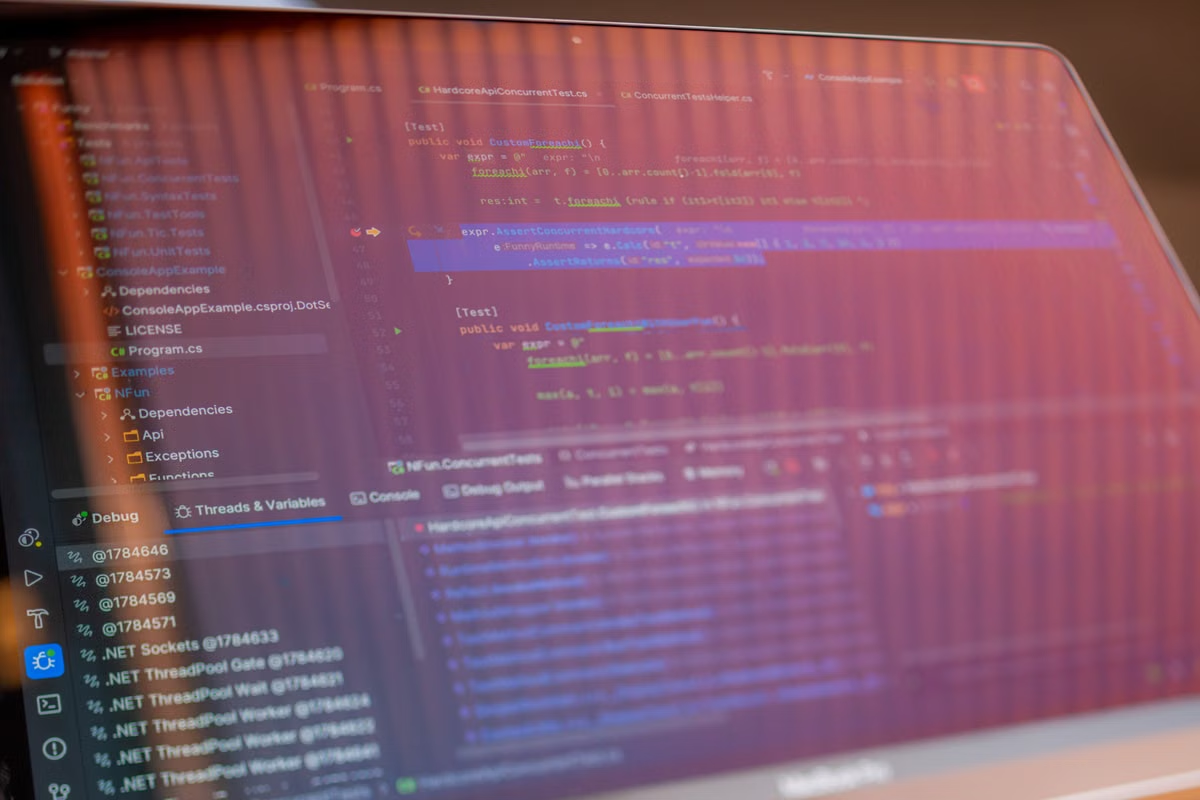
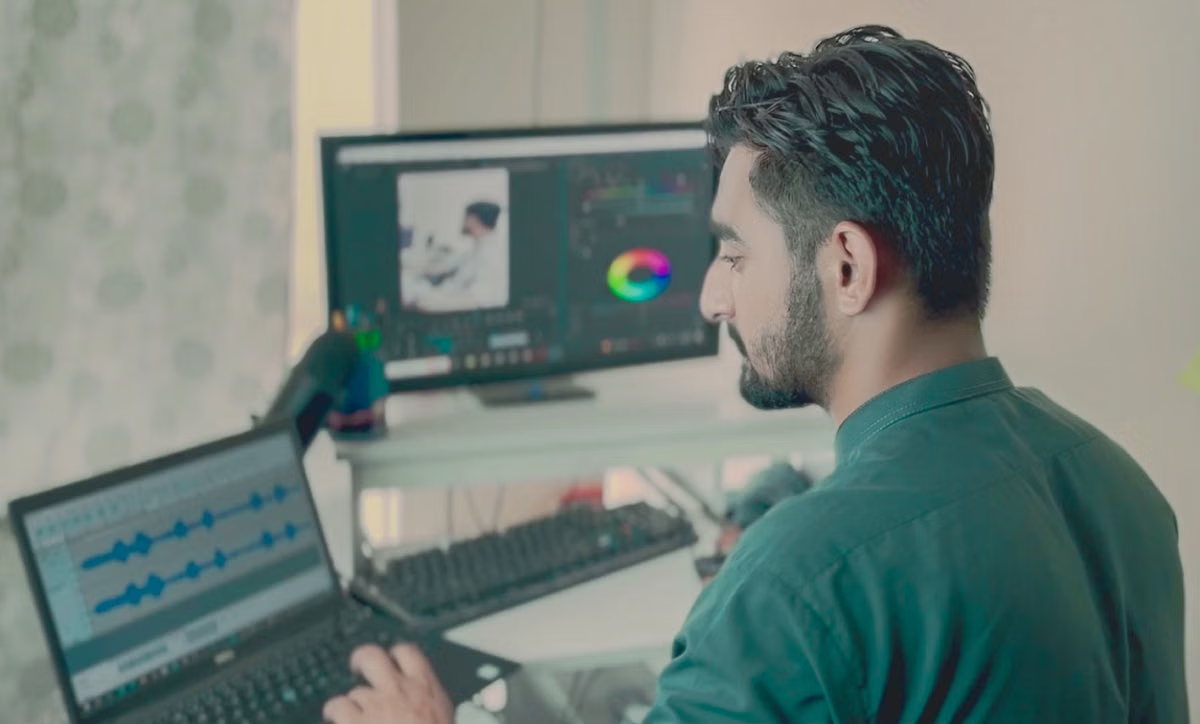
This guide helps Windows editors and creative teams decide whether a remote Mac can handle a Compressor HEVC delivery. Check the required macOS version, prepare a representative test clip, select a Social Platforms preset, and verify the exported file before moving a full job.
This guide is for iOS developers and CI engineers who need to prepare a simulator runtime for a network-restricted or multi-Mac build environment. It covers Apple’s download and import workflow, Xcode matching, runtime checks, project acceptance, and the limits of reusing a package.

Independent iOS developers and digital nomads can use this guide to separate repository-level code changes from a verified iOS delivery workflow. It compares cloud-agent tasks, Xcode builds and tests, signing, and travel setups, then gives you a project acceptance checklist.
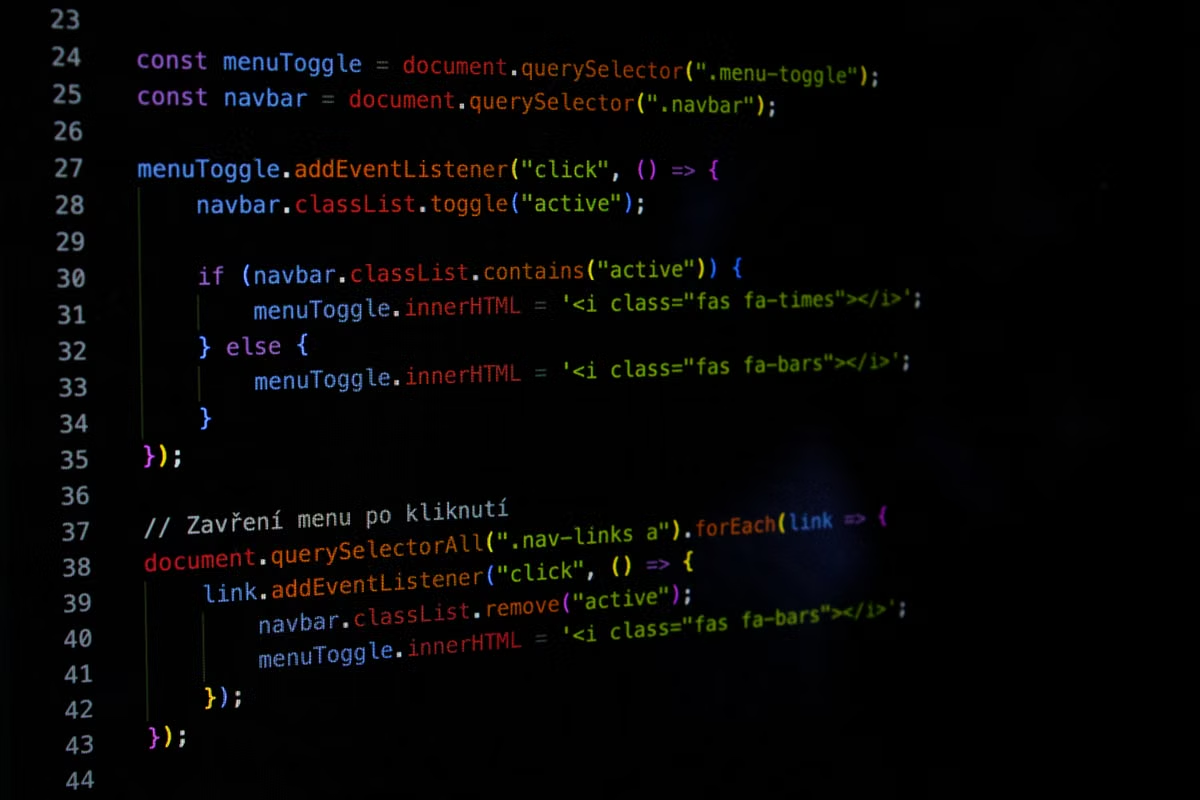
This guide helps engineering leads determine whether a Mac Catalyst compile failure matches an issue Apple documented for an earlier Xcode 27.2 beta, without assuming the issue remains in the RC. It covers target-specific reproduction, shared-source and framework boundaries, CI isolation, and criteria for pausing or continuing an upgrade.
This guide helps iOS teams decide whether a remote Mac is ready for their project before they rent it. Check the official Xcode and macOS requirements, then test your own build, signing, archive export, file handoff, permissions, and device-testing needs.
If your class project still uses an older Xcode version, don’t overwrite it just to move to Xcode 27.1. This guide walks you through the migration timeline: confirm the course requirement, make a recoverable copy, check macOS compatibility, test the copied project, and verify that you can submit your work.
For developers, package maintainers, and CI engineers facing Swift concurrency diagnostics or inconsistent Apple platform builds, start by checking each target’s language mode and concurrency settings. This guide shows how to isolate code and dependency issues, compare local and CI toolchains, and decide whether to fix, migrate gradually, or hold a verified configuration.
This guide helps researchers move a Linux Conda project into macOS 27 without treating a Linux lock as a portable environment. It covers cross-platform declarations, Apple Silicon dependency checks, platform-specific records, and when remote Mac testing can supplement—not replace—the Linux baseline.

Traveling editors and freelance creators can use this checklist to decide which parts of a video project belong on a remote Mac. It covers app compatibility, media access, editing tasks, export, and client handoff so you can test your actual workflow before relying on it away from home.
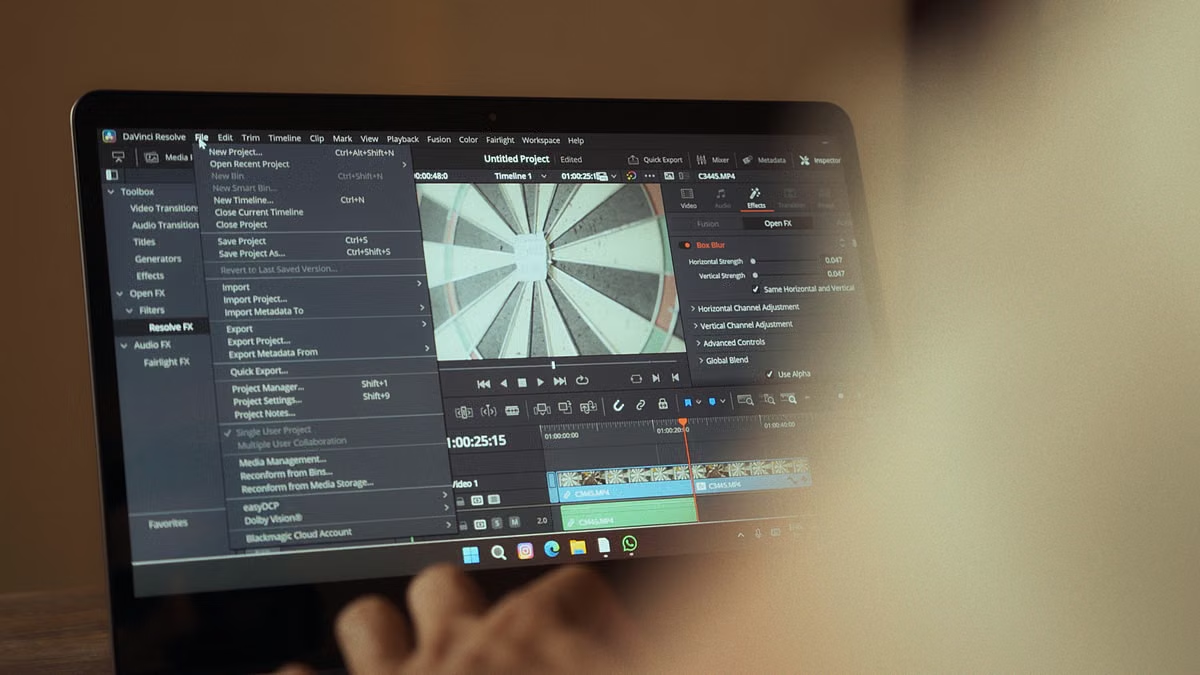
For editors whose Final Cut Pro export stalls, fails, or will not start, this guide separates project-level faults from software and Mac environment issues. Use a controlled test project, symptom-based checks, and a decision path before changing software or moving the work to another Mac.

Build a reliable CI recording step that targets one iOS Simulator, closes the video cleanly, and preserves it with xcresult only after a test failure.

Inject a controlled set of photos and videos into an isolated simulator, then test media selection, reading, upload behavior, and failure handling with reproducible inputs.

A script that works locally may fail on a remote Mac because of its Git mode, CRLF bytes, or a different shell. This guide turns those checks into a repeatable gate.
New drafts in progress
Before publishing, verify the only configuration currently available, or browse the connection, build, and network diagnostics guides by task.
OpenClaw Engineering Log
New drafts in progress
Series articles will be published after configuration validation, step reproduction, and boundary checks are complete.